

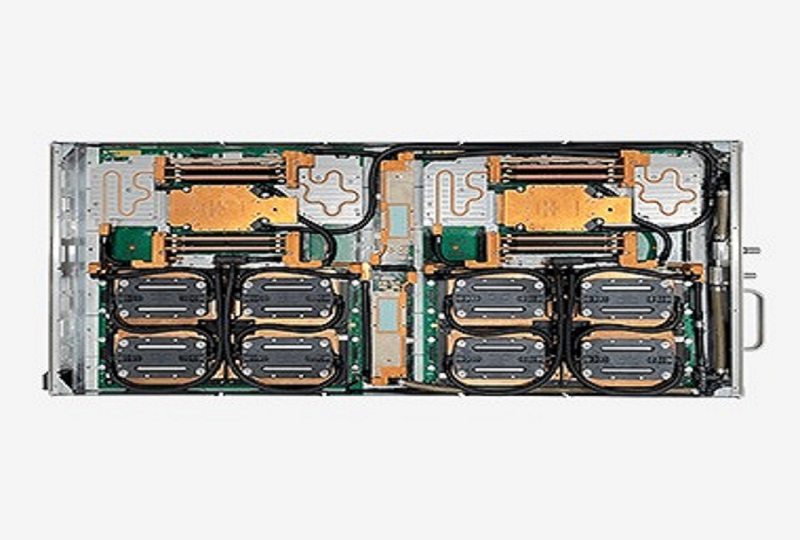
As data centres continue to evolve, the demand for higher computing density and improved thermal management has become more critical than ever. Modern servers and networking hardware generate significant heat, making efficient cooling solutions essential for maintaining system reliability and performance. One of the most advanced approaches used in high-performance environments today is the OSFP cold plate cooling solution.
Table of Contents
- Understanding OSFP Cold Plate Technology
- Understanding OSFP Cold Plate Cooling in Modern Data Centres
- Integration with Direct Liquid Cooling Systems
- Preventing Fluid Loss in Liquid Cooling Systems
- Role of High-Flow Connectivity in Cooling Infrastructure
- Supporting High Pressure Cooling Applications
- Thermal Efficiency and Energy Savings
- Future of Liquid Cooling in Data Centres
- Conclusion
- FAQs
- What is an OSFP cold plate used for in data centres?
- Why are quick disconnect couplings important in liquid cooling systems?
- What role do high-flow connectors play in cooling infrastructure?
- When are high-pressure connectors required in cooling systems?
- How does liquid cooling improve data centre energy efficiency?
- FAQs
Understanding OSFP Cold Plate Technology
The growing demand for high-bandwidth networking has introduced new challenges for data centre cooling. Optical modules operating at high speeds generate concentrated heat that traditional air cooling systems struggle to manage effectively. The OSFP cold plate is designed to address this challenge by providing direct contact cooling to sensitive components.
Liquid cooling systems deliver coolant directly to the heat source, improving heat transfer efficiency and reducing the risk of thermal hotspots within the hardware infrastructure. Direct liquid-cooling solutions using the enable data centres to manage higher thermal loads without relying solely on airflow.
Understanding OSFP Cold Plate Cooling in Modern Data Centres
What is an OSFP Cold Plate?
A liquid cooling component designed to remove heat directly from OSFP optical modules and other high-density networking hardware. These plates circulate coolant through specially designed channels that absorb and transfer heat away from electronic components.
With the increasing adoption of AI, machine learning, and high-performance computing workloads, the role of OSFP cold plate systems has become essential for maintaining operational stability.
Why OSFP Cold Plate Cooling Improves Data Centre Efficiency?
Modern data centres require solutions capable of managing extreme heat loads. Implementing cooling systems offers several advantages over conventional cooling strategies.
Key Benefits
- Direct heat removal
- Improved hardware reliability
- Reduced energy consumption
- Higher rack density
- Enhanced system longevity
When integrated with high-pressure quick-connect liquid-cooling technology, these systems maintain consistent coolant flow even under demanding workloads.
Integration with Direct Liquid Cooling Systems
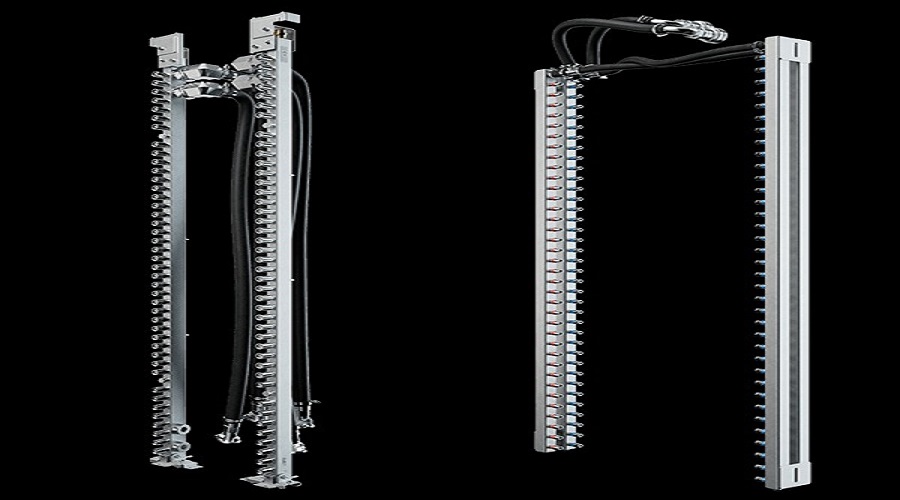
Direct liquid cooling infrastructure relies on several specialised components that ensure efficient coolant flow and reliable system operation. Among these components, quick-disconnect couplings for DLC play a vital role in maintaining flexible, serviceable cooling loops. This capability is particularly valuable in large-scale data centres where hardware upgrades and maintenance occur frequently.
Another important advantage is the ability to maintain sealed coolant circuits. The couplings are designed to minimise fluid loss during disconnection, ensuring that cooling systems remain clean and efficient throughout their lifecycle. This type of infrastructure also improves scalability. As data centres expand their computing capacity, liquid cooling loops can be extended or modified with minimal disruption.
Preventing Fluid Loss in Liquid Cooling Systems
Liquid cooling systems require reliable connectors that prevent coolant leakage during operation or maintenance. In high-performance computing environments, fluid leaks can damage sensitive electronic equipment and disrupt operations. The use of non-drip quick disconnects also enhances system reliability. By preventing fluid loss during servicing, technicians can safely disconnect cooling loops while maintaining the integrity of the overall system.
In addition to improving safety, these connectors simplify maintenance procedures. Hardware components can be replaced or upgraded without draining the cooling system or exposing equipment to potential contamination. Data centres operating at scale benefit significantly from this technology, as it allows routine maintenance to be performed quickly while maintaining operational stability.
Role of High-Flow Connectivity in Cooling Infrastructure
Efficient coolant circulation is essential for maintaining consistent temperatures across high-density computing environments. As thermal loads increase, cooling systems must handle larger fluid volumes to ensure adequate heat removal. This requirement has led to the development of specialised connectors designed to support higher coolant flow rates. Working with a high flow quick connect coupling supplier ensures that data centres receive components capable of handling demanding thermal loads.
Supporting High Pressure Cooling Applications
Certain high-performance computing environments require cooling systems that operate under higher pressure conditions. Increased pressure helps maintain consistent coolant flow through compact channels and specialised cooling components. In these scenarios, connectors designed for high pressure quick connect liquid cooling become critical. These connectors are engineered to withstand elevated pressure levels while maintaining a secure seal within the cooling loop.
High-pressure cooling systems also improve thermal performance by maintaining steady fluid circulation through complex cooling channels. This design ensures that heat is removed efficiently from high-power networking equipment. As data centre workloads continue to grow, reliable high-pressure cooling infrastructure will play an increasingly important role in maintaining performance and operational stability.
Thermal Efficiency and Energy Savings
One of the most significant advantages of advanced liquid cooling technologies is improved energy efficiency. By removing heat directly from components, cooling systems can operate more efficiently than traditional air-based methods. It contributes significantly to this efficiency by providing direct thermal contact with high-speed optical modules.
Efficient thermal management reduces the need for large air-handling systems and high-power fans. As a result, data centres can lower their overall energy consumption while maintaining optimal operating conditions. Improved cooling efficiency also enables higher server densities. By managing heat more effectively, data centres can install more computing hardware within the same physical space without risking overheating.
Design Considerations for Modern Data Centres
When implementing advanced cooling solutions, data centre designers must consider several factors to ensure long-term performance and reliability. Material selection also plays a critical role in cooling system design, especially for modern infrastructure deployments across Canada.
Another key consideration is system compatibility. Cooling infrastructure must be designed to integrate seamlessly with existing server and networking hardware. Proper monitoring systems are also essential. Sensors and monitoring tools help operators track coolant temperature, pressure, and flow rates to maintain optimal performance across the cooling loop.
Future of Liquid Cooling in Data Centres
Advanced liquid cooling solutions will also support the development of more compact and energy-efficient data centres. It is expected to become an increasingly important component in future cooling architectures. As optical networking speeds increase, effective thermal management will be essential for maintaining reliable system performance.
Companies such as CoolIT Systems continue to develop innovative cooling technologies that support the evolving needs of modern data centres. Through research and engineering advancements, these solutions are helping operators maintain reliable and sustainable infrastructure.

Conclusion
Efficient thermal management is essential for maintaining performance, reliability, and energy efficiency in modern data centres. As computing demands increase, traditional air cooling methods are no longer sufficient for high-density environments. When combined with advanced connectors, reliable coolant-flow systems, and high-pressure infrastructure, these solutions support the evolving needs of modern computing environments.
FAQs
What is an OSFP cold plate used for in data centres?
It is designed to remove heat from high-speed optical modules and networking components. It transfers heat directly to circulating coolant, ensuring stable temperatures and reliable system performance in high-density environments.
Why are quick disconnect couplings important in liquid cooling systems?
Quick disconnect couplings for DLC allow cooling lines to be connected or disconnected without shutting down the entire cooling loop. This simplifies maintenance and allows hardware upgrades to be performed quickly while keeping coolant contained within the system.
What role do high-flow connectors play in cooling infrastructure?
Higher flow rates improve heat transfer efficiency and help prevent overheating in high-performance computing environments. For advanced data centre operations in Calgary, these solutions play an important role in reliable cooling performance.
When are high-pressure connectors required in cooling systems?
Systems designed for high pressure quick connect liquid cooling are used in environments where coolant must circulate through narrow channels or complex cooling components. These connectors maintain secure seals and stable flow under elevated pressure conditions.
How does liquid cooling improve data centre energy efficiency?
Liquid cooling removes heat directly from hardware components, reducing the need for large air-handling systems. Technologies such as the data centres to maintain lower operating temperatures while consuming less energy.