

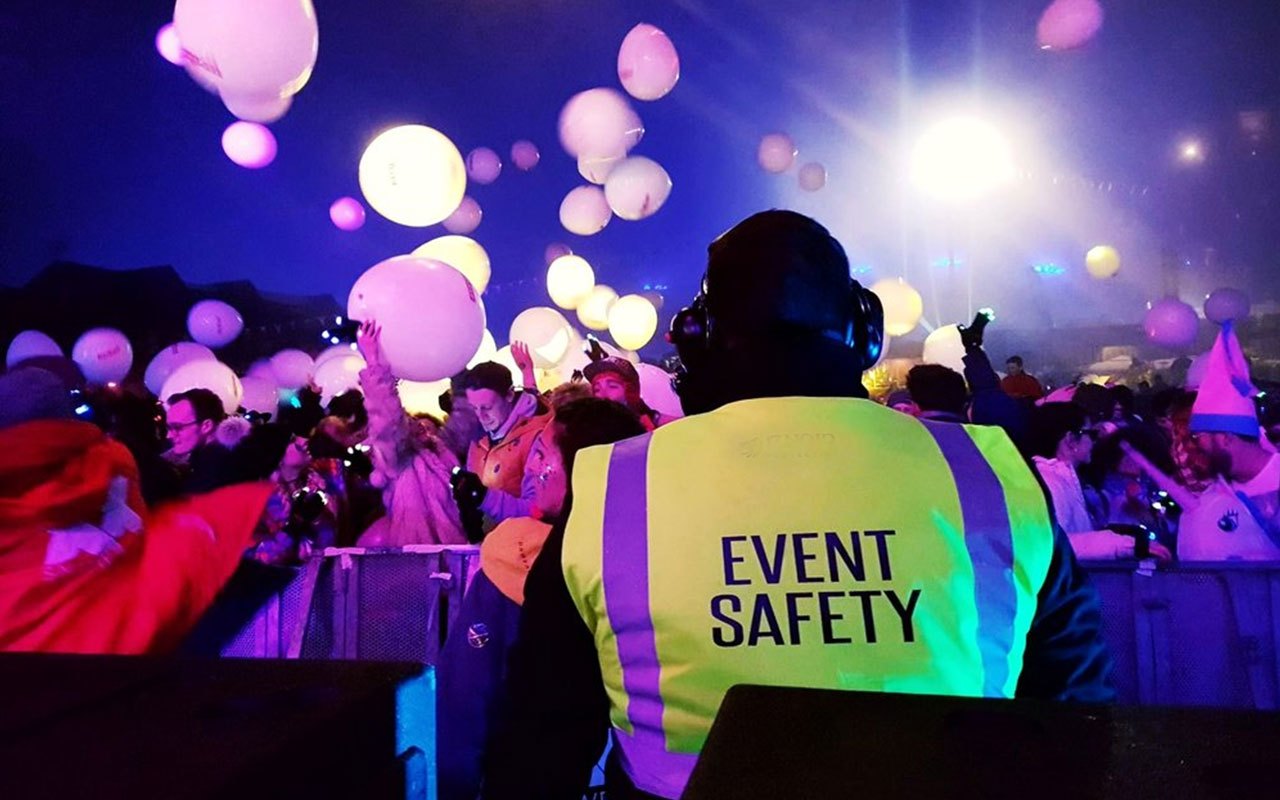
Event security management is a critical component of organizing any gathering, from small private functions to large-scale public events. Ensuring the safety of attendees, protecting assets, and mitigating risks are paramount concerns for event organizers and hosts. This article explores the fundamentals of event security management, the roles and responsibilities of security professionals, and best practices for implementing effective security measures.
Understanding Event Security Management
Event security management encompasses the planning, coordination, and execution of event security measures to safeguard participants, assets, and the overall integrity of the event. It involves assessing potential risks, implementing preventive measures, and preparing contingency plans to address emergencies swiftly and effectively.
Roles and Responsibilities of Event Security Professionals
Risk Assessment
Event security begins with a thorough assessment of potential threats and vulnerabilities specific to the venue and circumstances. This involves evaluating factors such as the event’s location, size, and the profile of attendees to identify potential security risks. By conducting a comprehensive risk assessment, security professionals can develop proactive strategies to mitigate risks and ensure a safe environment for all participants and stakeholders during the event.
Security Planning
Developing a robust security plan is essential to effectively safeguarding an event. The plan is customized based on the findings of the risk assessment and takes into account the unique aspects of the event, including its scale, nature (such as whether it’s public or private), and the potential risks identified. It outlines security measures such as the deployment of security personnel, the placement of barriers or checkpoints, and the use of surveillance technology to enhance situational awareness and response capabilities.
Access Control
Managing access control is critical for maintaining the security and integrity of an event. Security teams oversee entry and exit points to regulate attendee access and prevent unauthorized individuals from entering restricted areas. This involves implementing identification checks, issuing credentials or wristbands, and monitoring access points to ensure that only authorized personnel and attendees are allowed into designated areas. Effective access control measures contribute to overall event safety by preventing potential security breaches and controlling the flow of people.
Crowd Management
Crowd management strategies are essential for maintaining order and ensuring the safety of attendees, especially in crowded or high-traffic areas. Security personnel are trained to monitor crowd behavior, anticipate potential issues, and intervene to prevent overcrowding, conflicts, or accidents. This may involve directing traffic flow, guiding attendees to designated areas, or coordinating with event staff to address any emergent situations promptly. By promoting orderly conduct and safe movement, effective crowd management enhances the overall attendee experience and minimizes risks associated with large gatherings.
Surveillance and Monitoring
Utilizing a combination of technology and trained personnel, event security teams continuously monitor the premises for suspicious activities or potential threats. Surveillance cameras, sensors, and manned observation posts are strategically deployed to maintain situational awareness and detect any unauthorized or unusual behavior. This proactive approach allows security personnel to identify emerging threats early and respond swiftly to prevent security incidents or disruptions during the event.
Emergency Response
Event security plans include protocols and procedures for responding to emergencies such as medical incidents, disruptions, or security breaches. Security teams are trained to assess situations quickly, initiate emergency responses, and coordinate with local law enforcement or emergency services as necessary. This ensures a prompt and effective response to any unexpected incidents, thereby minimizing harm, ensuring public safety, and mitigating potential risks to attendees and participants.
Collaboration with Authorities
Effective event security involves close collaboration with local law enforcement agencies, emergency services, and other relevant authorities. Security teams coordinate with these entities to enhance event security measures, share information on potential threats or risks, and establish clear communication channels for emergency response. By working collaboratively, security professionals and authorities can leverage their respective expertise and resources to effectively manage security challenges and ensure a safe and secure environment for everyone involved in the event.

Armed Security Guards
Armed security guards play a crucial role in events that require a heightened level of protection, such as high-profile gatherings, VIP events, or functions with valuable assets. These professionals are licensed and trained to carry firearms and respond effectively to serious security threats.
Their responsibilities include:
- Providing deterrence against violent or criminal behavior
- Protecting high-value individuals or assets
- Responding to potential armed threats or security breaches
- Coordinating with law enforcement during emergency situations
Armed guards must undergo rigorous background checks, firearm training, and situational response drills to ensure they can act responsibly and decisively under pressure. Their visible presence often serves as a strong deterrent to potential threats, enhancing overall event security.
Unarmed Security Officers
The Unarmed security officers are equally essential for ensuring a safe and welcoming environment at most events. They focus on prevention, observation, and communication rather than confrontation.
Their duties typically include:
- Monitoring entry points and checking credentials
- Managing crowd control and assisting guests
- Conducting surveillance and reporting suspicious activities
- Coordinating with other event staff to maintain order
Unarmed officers are ideal for events where the perceived risk is moderate and a non-aggressive approach is preferred—such as corporate meetings, community festivals, or private parties. They serve as the first line of defense, emphasizing customer service, vigilance, and professionalism.
Benefits of Effective Event Security Management
Safety Assurance
Providing a safe environment for attendees is paramount to enhancing their overall event experience. When attendees feel secure, they can fully engage in the event’s activities without worry, contributing to a positive and enjoyable atmosphere. This assurance of safety is achieved through visible security measures, effective crowd management, and proactive monitoring to swiftly address any concerns that may arise during the event.
Risk Mitigation
Proactively addressing potential threats is crucial for minimizing disruptions and ensuring the smooth flow of an event. Security teams conduct thorough risk assessments before the event to identify and mitigate risks effectively. This includes implementing security protocols such as access control measures, emergency response plans, and contingency strategies to handle unforeseen situations. By addressing risks early and preparing comprehensive mitigation strategies, event organizers can maintain continuity and uphold the event’s schedule and objectives.
Protection of Assets
Event security measures also focus on safeguarding physical assets, intellectual property, and the reputational integrity associated with the event. Security personnel are tasked with protecting valuable equipment, merchandise, and proprietary information from theft, vandalism, or unauthorized access. Additionally, they ensure that the event’s brand reputation remains intact by enforcing security protocols that uphold professionalism, trustworthiness, and reliability throughout the event duration.
Legal and Regulatory Compliance
Ensuring compliance with security regulations and local ordinances is essential for mitigating legal risks and liabilities associated with the event. Security teams work closely with legal advisors and regulatory authorities to adhere to relevant laws concerning public safety, crowd management, and emergency preparedness. By maintaining compliance, event organizers demonstrate their commitment to safety and responsibility, thereby reducing the potential for legal issues and ensuring a smooth and lawful operation of the event.
FAQs about Event Security Management
Q: What factors should event organizers consider when planning event security?
A: Consider the event’s size, venue, expected attendance, nature of the event (e.g., public, private), and any historical security issues.
Q: How can technology enhance event security management?
A: Technology such as surveillance cameras, access control systems, and communication devices can improve monitoring capabilities and response times.
Q: Do all events require professional security management?
A: Yes, regardless of size, all events benefit from professional security management to ensure safety and mitigate risks effectively.
Conclusion
Event security management is indispensable for ensuring the safety, success, and reputation of any gathering. By engaging experienced professionals who understand the complexities of event security, organizers can create a secure environment that enhances attendee experience and protects organizational interests. Effective security planning involves thorough risk assessment, meticulous preparation, and collaboration with relevant stakeholders. Invest in comprehensive event security management to uphold safety standards and ensure the seamless execution of memorable events.