

Safe excavation and construction planning begin with accurate line locating services. Whether for infrastructure development or property projects, identifying underground installations is essential to prevent damage and safety risks. Professional utility advanced line locating techniques help detect hidden installations before digging begins. Reliable locating ensures accurate mapping of underground assets and supports safer project execution.
Table of Contents
- Understanding the Importance of Line Locating Services
- Why Professional Line Locating Matters?
- How Utility Advanced Line Locating Improves Safety
- The Role of a Utility Locator in Construction Projects
- Why Accurate Pipeline Locations Matter?
- Supporting Engineering Projects Through Geotechnical Survey
- Environmental Protection Through Phase 1 Environmental Site Assessment
- Key Benefits
- Best Practices for Safe Line Locating
- The Role of Gas Utility Line Locator Specialists
- The Future of Line Locating Technology
- Conclusion
Understanding the Importance of Line Locating Services
Using modern technology and proven techniques, professionals identify the exact position and depth of underground utilities. Professional line locating allow technicians to detect buried infrastructure before digging starts. Accurate detection also ensures that projects remain compliant with safety regulations and construction standards.
Construction, infrastructure development, and energy projects in Calgary rely heavily on accurate underground mapping. When excavation begins without proper detection, the risk of damaging critical infrastructure increases significantly. Proper locating practices help project teams identify underground installations early, improving safety, preventing costly disruptions, and supporting efficient planning for construction activities.
Why Professional Line Locating Matters?
Hiring experienced professionals for utility advanced line locating offers many benefits for construction and development projects. These specialists use modern detection tools and technical expertise to accurately identify underground infrastructure before excavation begins.
Key Advantages
- Prevents accidental damage to underground installations
- Improves worker safety on construction sites
- Reduces unexpected repair costs
- Helps meet regulatory requirements
- Improves project planning and scheduling
How Utility Advanced Line Locating Improves Safety
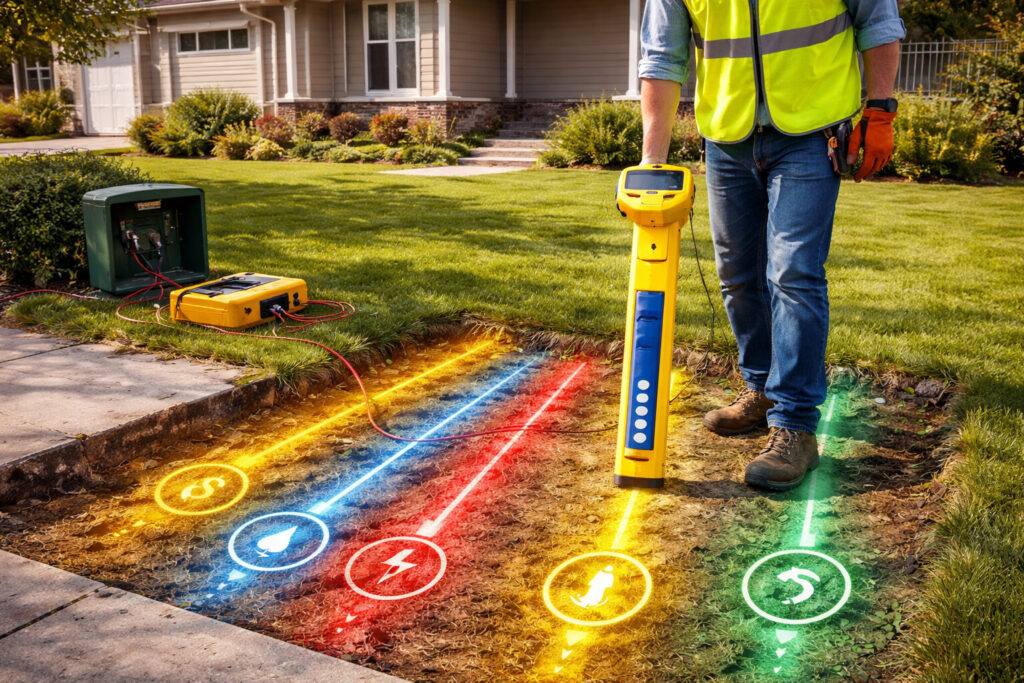
Advanced locating techniques use specialized tools such as electromagnetic detection equipment and ground-penetrating radar to locate buried assets. Modern projects often require utility advanced locating to accurately detect complex underground infrastructure.
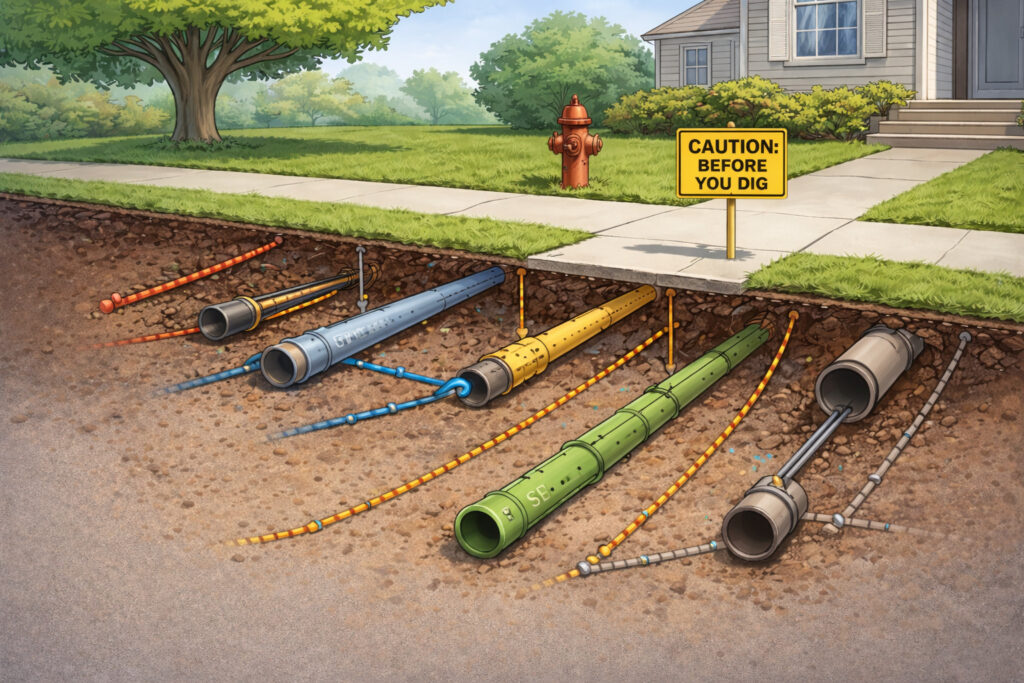
With utility advanced line locating, professionals can identify buried communication cables, pipelines, electrical systems, and fiber networks. This technology minimizes the risk of accidental damage and improves planning accuracy. Advanced detection methods also help construction teams coordinate with engineers and planners before excavation begins.
The Role of a Utility Locator in Construction Projects
A professional utility locator plays a crucial role in identifying underground infrastructure. These specialists use advanced equipment and technical knowledge to detect buried assets accurately.
- Identifies Underground Infrastructure: A professional utility locator helps detect buried infrastructure before construction or excavation begins. This process reduces the risk of accidental damage.
- Uses Advanced Detection Equipment: Skilled locators use modern technology and specialized tools to accurately locate underground assets and map their positions.
- Supports Complex Urban Projects: Their role is especially important in cities where underground networks are dense and difficult to map without professional expertise.
- Improves Construction Efficiency: Accurate locating reduces delays, prevents costly repairs, and helps projects move forward smoothly and safely.
Calgary Utility Line Locator Service for Local Infrastructure Projects
Urban development requires reliable detection services, especially in rapidly growing cities. A Calgary utility line locator service supports residential construction, commercial development, and infrastructure upgrades.
Infrastructure networks in cities often include electrical systems, water systems, communication cables, and gas pipelines. Identifying these networks accurately ensures safe construction and efficient project planning.

Why Accurate Pipeline Locations Matter?
Infrastructure projects frequently involve buried pipelines carrying oil, gas, water, or other resources. Identifying accurate pipeline locations is critical for safe excavation. Damaging a pipeline can lead to environmental damage, service disruptions, and costly repairs. Accurate locating services help engineers map pipeline routes clearly before construction begins. Proper mapping ensures that pipelines remain protected during construction activities.
Supporting Engineering Projects Through Geotechnical Survey
In many development projects, locating underground systems is only one part of the planning process. This information helps engineers design safe foundations, infrastructure routes, and excavation strategies. A detailed geotechnical survey can identify potential risks such as soil instability, groundwater conditions, or underground obstacles.
Environmental Protection Through Phase 1 Environmental Site Assessment
Construction projects often require environmental evaluations before development begins. A phase 1 environmental site assessment helps identify potential contamination risks or environmental concerns. This assessment reviews the history of a property, evaluates environmental conditions, and identifies possible hazards. When combined with underground detection services, environmental assessments provide a comprehensive understanding of site conditions.
Key Benefits
First, accurate detection reduces the risk of damaging underground infrastructure. Preventing damage protects workers and avoids costly repair work. Professional services provide several advantages for construction and infrastructure projects. Second, locating services improve project planning. Knowing the position of underground systems helps engineers design safer excavation routes.
Another key benefit is the use of a reliable utility line locator service for projects in urban areas. These specialized services help identify underground systems in complex city environments, allowing contractors to carry out excavation work safely while minimizing disruptions to surrounding infrastructure.
Best Practices for Safe Line Locating
Conduct Pre-Construction Surveys
Before excavation begins, technicians should perform detailed site evaluations. These assessments help identify underground infrastructure and environmental conditions.
Use Advanced Detection Technology
Advanced tools allow technicians to scan large areas quickly and identify buried systems with greater precision. This technology helps reduce excavation risks and supports safer, more efficient project planning across Alberta.
Work With Experienced Professionals
Trained technicians understand how to interpret detection signals and identify underground systems correctly. Modern detection equipment improves locating accuracy for construction and infrastructure projects.
Maintain Clear Documentation
Accurate records of detected infrastructure help project teams plan excavation routes safely. These records also support surveying services, allowing engineers and construction teams to create precise site plans and avoid conflicts with underground systems during development.
Coordinate With Project Teams
Engineers, contractors, and surveyors should collaborate to ensure that detection results are integrated into project planning.
The Role of Gas Utility Line Locator Specialists
Gas infrastructure requires careful detection due to safety risks. An expert gas utility line locator ensures that gas pipelines are accurately identified before excavation begins. Skilled specialists use advanced detection methods to locate gas pipelines precisely and help prevent hazardous leaks or accidents during construction work.
Why is Gas Detection Critical?
- Prevents dangerous gas leaks
- Protects workers and surrounding communities
- Helps maintain infrastructure integrity
- Avoids expensive emergency repairs
The Future of Line Locating Technology
Technological innovation continues to improve detection accuracy. Modern detection systems now use advanced sensors, digital mapping tools, and integrated survey technologies. Future locating services will provide even more precise data, helping infrastructure projects become safer and more efficient. As infrastructure networks continue to expand, reliable detection services will become even more important for protecting buried assets.
Conclusion
Reliable line locating services play a crucial role in modern construction and infrastructure development. Accurate detection protects underground systems, improves safety, and prevents costly damage. By combining advanced technology with professional expertise, project teams can minimize risk and maintain efficient operations. Proper locating practices also support environmental protection and regulatory compliance.
FAQs
What problems can occur if line locating service is not done before excavation?
Without proper locating service, excavation can accidentally damage buried infrastructure. This can lead to safety hazards, costly repairs, project delays, and disruptions to essential services across Canada, affecting construction, transportation, and energy projects.
How accurate are professional line locating services?
Professional locating services use advanced detection technologies and experienced technicians to achieve high accuracy. While conditions underground can vary, modern equipment allows locators to identify buried infrastructure with reliable precision.
Do small residential projects also require locating services?
Yes, even small projects like fencing, landscaping, or driveway installation should use services. Hidden underground infrastructure can exist in residential areas, making detection essential for safe digging.
How long does a typical line locating process take?
The duration depends on the size and complexity of the site. Small properties may take only a short time, while larger construction sites or areas with dense underground networks may require more detailed scanning.
Can line locating help reduce construction costs?
Yes, accurate locating helps prevent unexpected damage to underground infrastructure. By avoiding repairs, delays, and emergency fixes, it services help keep construction projects within budget.